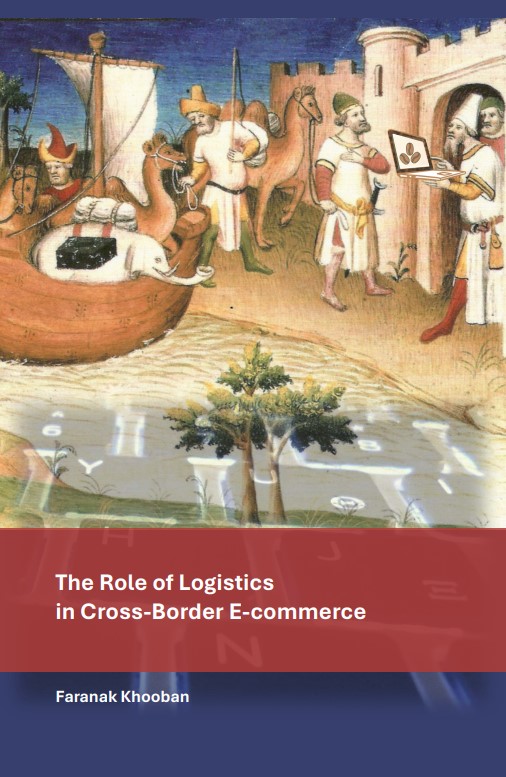
The growing adoption of cross-border e-commerce has emerged as a pivotal driver for expansion among online retailers, offering essential growth prospects in international markets. Consequently, numerous online retail businesses have embarked on global expansions to take advantage of these opportunities. However, alongside these growth prospects, cross-border e-commerce encounters significant barriers.
One of the foremost challenges lies in the unreliable and lengthy transportation times inherent in international shipping. Consequently, international retailers struggle with distinct logistical challenges. Firstly, the efficacy of home-country logistics plays a crucial role in determining how seamlessly the home country is integrated into the global market through its transportation network. Secondly, managing both direct and reverse logistic services in the last mile delivery within foreign territories poses additional complexities.
In this thesis, we delve into the dynamics of cross-border e-commerce from both perspectives. We empirically investigate the impact of environmental factors on logistics performance within the seller’s country and its correlation with international e-commerce demand. Alongside this, we conduct analytical studies to explore how international retailers can overcome challenges related to last-mile delivery and return processes through strategic collaborations with domestic retailers.
By addressing these multifaceted challenges, our research aims to provide valuable insights into optimizing cross-border e-commerce operations and enhancing international market reach.